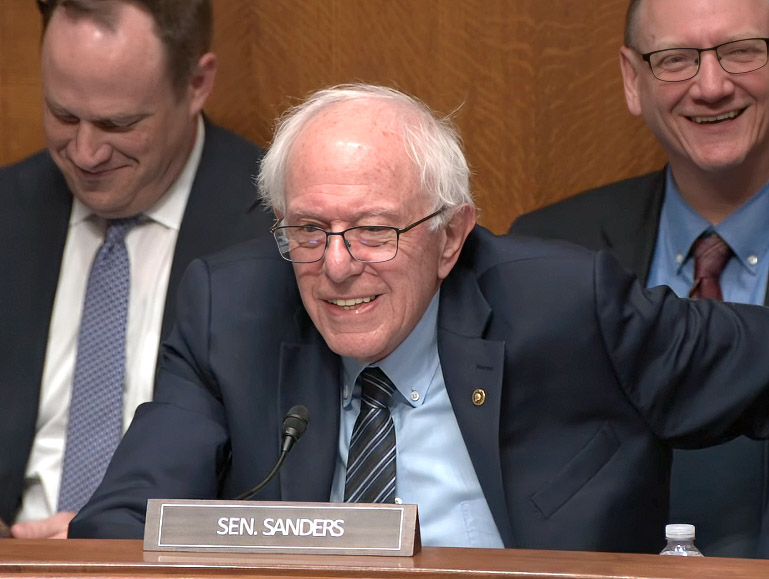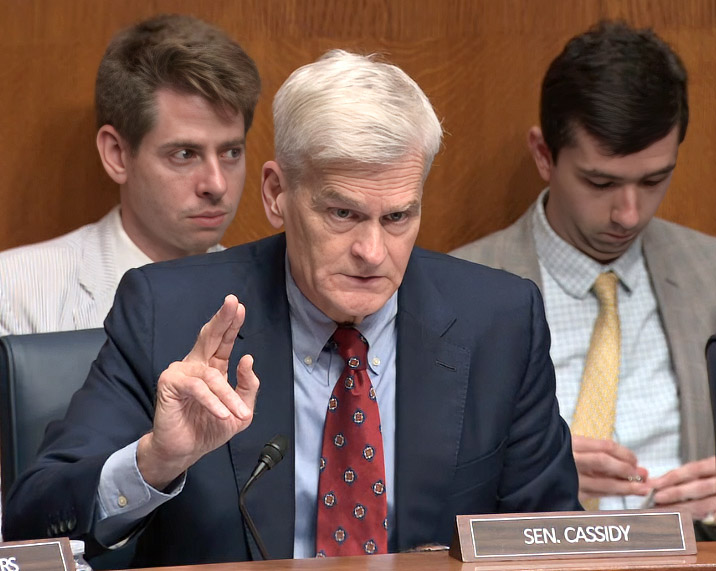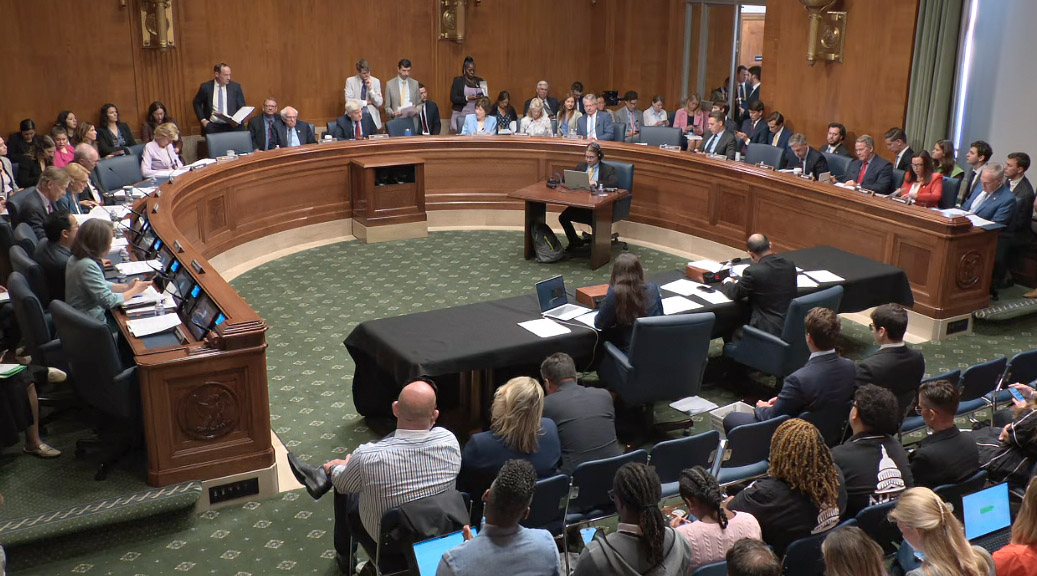
On July 30, the Senate Committee on Health, Education, Labor and Pensions (HELP) passed the RRB Stability Act of 2026.
The long wait BLET members and other railroaders must endure to receive earned retirement benefits may soon be over. On Thursday, the Senate Committee on Health, Education, Labor and Pensions (HELP) passed a BLET and Teamsters-backed bipartisan bill, S. 4965, the Railroad Retirement Board (RRB) Stability Act of 2026, that will modernize and improve the funding of the Railroad Retirement Board’s operations and enable it to better serve railroaders and their families. The bill now moves to the full Senate for a vote.
“This legislation will revolutionize the RRB’s ability to serve rail workers,” said Mark Wallace, who serves as the National President of the Brotherhood of Locomotive Engineers and Trainmen and as President of the Teamsters Rail Conference. “With the passage of this legislation, the RRB will be able to spend a small percentage of the taxes it collects from railroad workers and the railroads and use it to administer the benefits our members and other railroaders have earned while still ensuring Congressional oversight of the RRB.”
Over the past 15 years, despite retirement and other RRB benefits being privately funded by workers and their employers, the underfunding of operations by the federal government has led to temporary closures of field offices, short-staffing, and the failure to upgrade computer systems.
In February, Jeff Joines from the Teamsters Rail Conference, who serves as Government Affairs Director for the Brotherhood of Maintenance of Way Employes, in a hearing, highlighted for the Senate HELP Committee how outdated systems and reduced staffing have hindered the RRB’s important work, causing workers to wait over 440 days for an initial adjudication of applications for disability benefits if they are injured on the job.
Following that hearing, The Association of American Railroads (AAR); Transportation Trades Department, AFL-CIO (TTD); American Short Line and Regional Railroad Association (ASLRRA); joined the BLET and the Teamsters Rail Division in advocating for The Railroad Retirement Board Stability Act, the reform legislation that passed through committee today. (BLET also is a member union of TTD.)
The labor/management coalition outlined their position in a letter to Sens. Bill Cassidy (R-La.) and Bernie Sanders (I-Vt.), who introduced the legislation on July 14, along with Sens. Jim Banks (R-Ind.) and Tim Kaine (D-Va.).
“Now that it has passed through committee, BLET strongly urges Congress to enact this legislation so that the RRB can fully serve railroaders and their families,” said Wallace. “We want to thank and recognize Chairman Cassidy and Ranking Member Sanders and their staffs for their leadership and support on this vital issue and look forward to working with them to make this legislation law.”
It’s important to note that most railroaders don’t qualify for Social Security or state-sponsored unemployment insurance benefits and solely rely on the RRB. Except for problems related to the administration of programs due to a lack of funding, railroad retirement has been and continues to be a great success story. Older than Social Security, since 1935, the RRB has administered retirement, survivor, disability, unemployment, and sickness benefits for rail workers, retirees, and their families. The RRB’s solid investments guarantee that the necessary funds for railroad retirement and related programs will be fully-funded 75 years into the future.